
E-Way Bill Compliance: Rules, Validity, and Common Mistakes
8 Jul 2026 · 3 min read
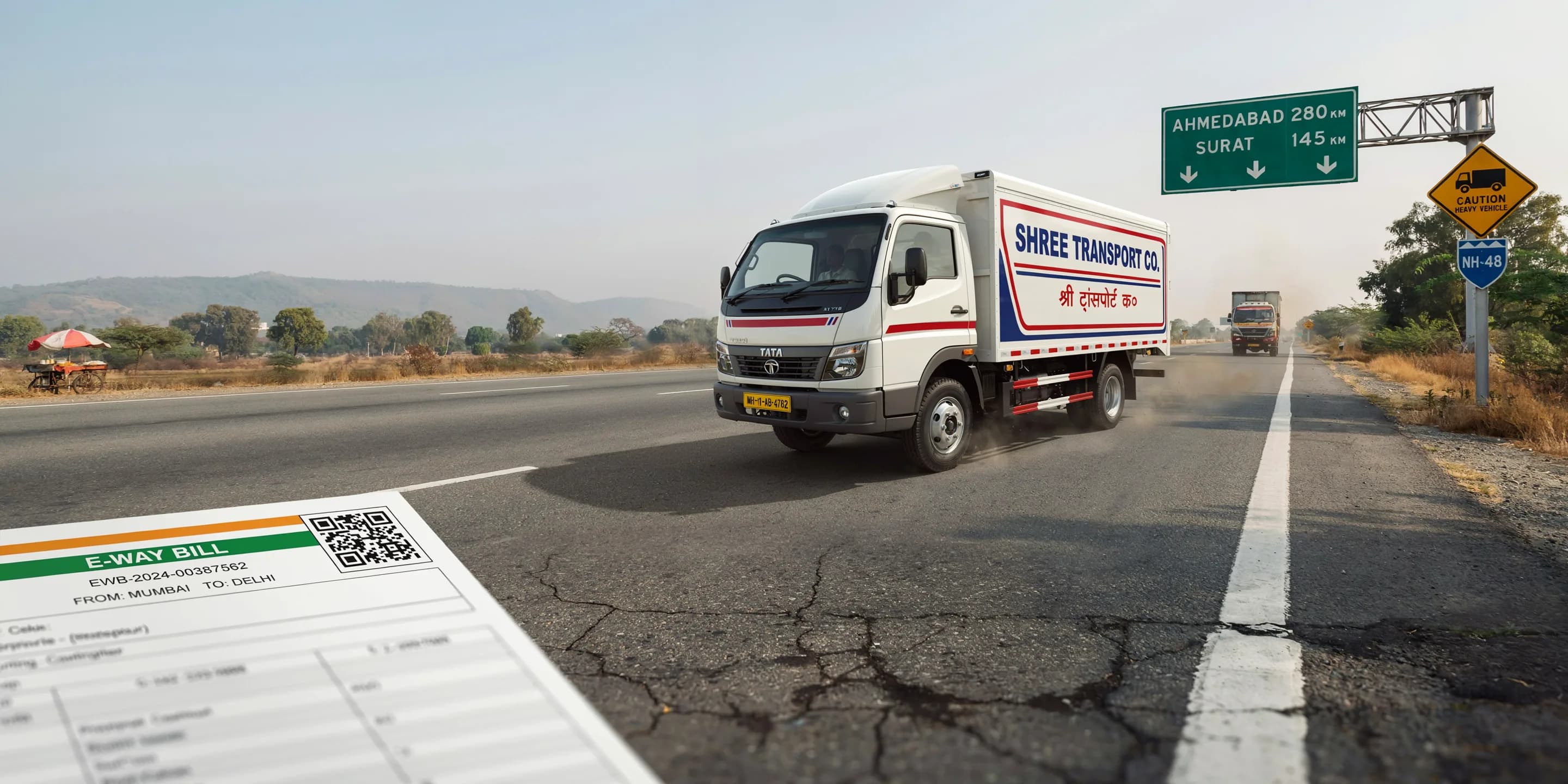
E-Way Bills are mandatory for movement of goods exceeding INR 50,000 in value. The bill must be generated before the commencement of movement and carries specific validity periods based on distance.
For regular vehicles, validity is one day for every 100 km or part thereof. For over-dimensional cargo, it is one day per 20 km. Validity can be extended before expiry in cases of unforeseen circumstances.
Common mistakes include incorrect pin codes leading to wrong distance calculation, mismatch between invoice value and e-way bill value, and failure to update vehicle number when goods are transshipped.
Penalties for non-compliance are severe goods can be detained and a penalty equal to 200% of tax payable (or INR 10,000, whichever is higher) can be imposed under Section 129 of the CGST Act.
Key areas covered:
- Mandatory for goods movement above INR 50,000
- Validity: 1 day per 100 km for regular vehicles
- Must be generated before movement starts
- Vehicle number must be updated for transshipment
- Penalty up to 200% of tax for non-compliance
- Can be extended before expiry for valid reasons